Film · Commercials · Brand stories
FPV Cinematography
Immersive first-person flight that moves where no crane or gimbal can: through gaps, down faces, around subjects and out the other side in a single unbroken shot.
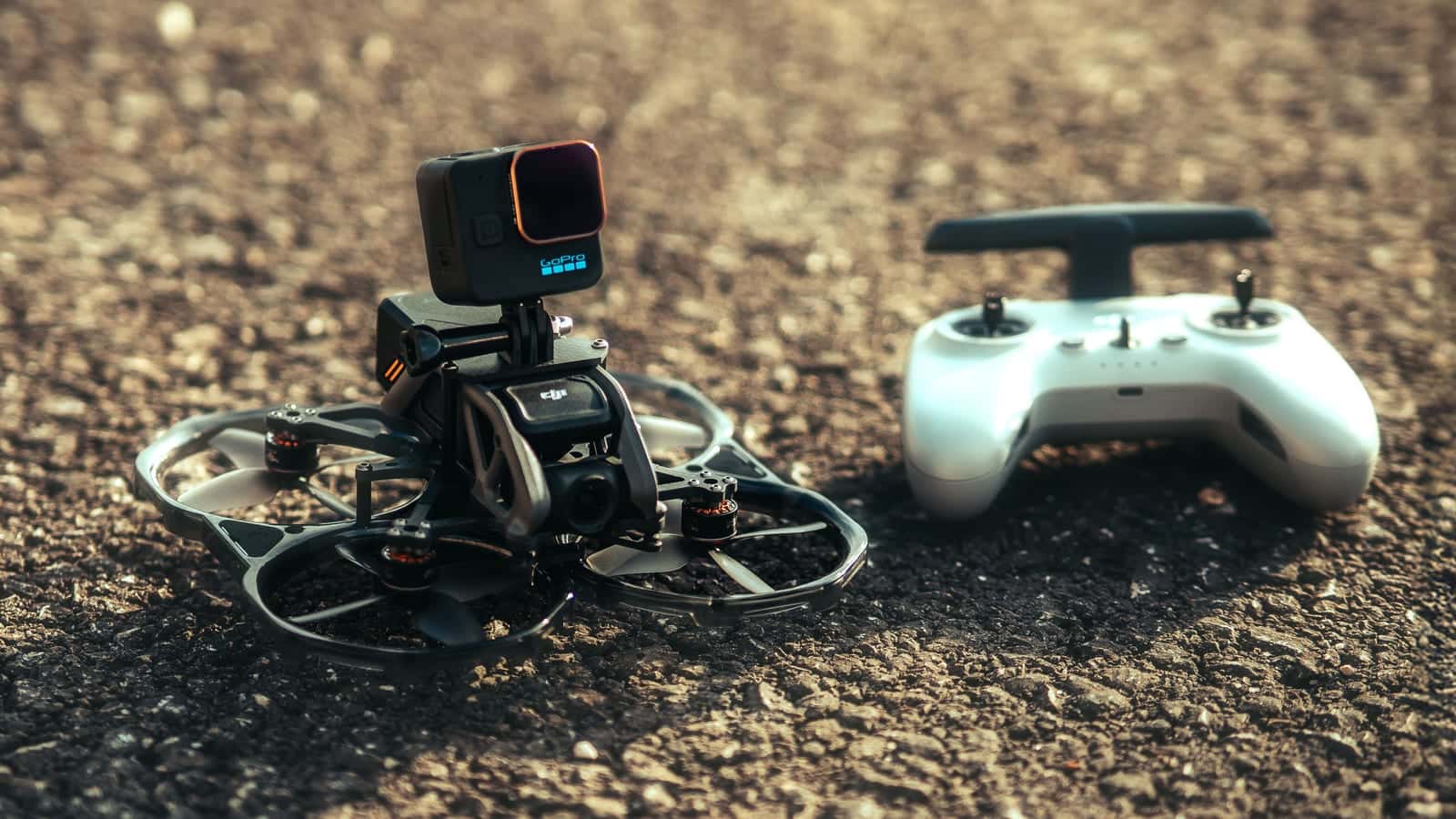
FPV cinematography is filming with a drone flown by hand from the pilot's point of view, so the camera can go where a crane, a gimbal or a standard drone cannot: through a gap, down a cliff face, around a moving subject and out the other side without a cut.
We use it where a shot should feel like movement rather than observation: a reveal that follows a vehicle, a run through architecture, a drop over an edge. Every move is planned on the ground first, then flown in as few takes as the shot allows.
What is included
- Single-take flight through gaps, over edges and around subjects
- Shot design and route planning before the shoot day
- Close passes and low lines that standard drones cannot fly
- Footage prepared to cut cleanly into a film or campaign
- Editing and colour grading when you want a finished piece
How a shoot runs.
- 01
Brief
You tell us what the film is for, where it will be shot and when.
- 02
Plan
We design each shot, walk the route and check what is allowed.
- 03
Shoot
We fly the planned moves safely, around your schedule and your set.
- 04
Deliver
You receive footage that edits cleanly, or a finished cut.
Related work.
Questions.
- What is FPV cinematography?
- It is filming with a drone flown from the pilot's first-person view. The pilot sees what the camera sees, which allows fast, close and continuous moves that stabilised camera drones are not built for.
- When should I choose FPV over a standard drone?
- Choose FPV when the shot needs to travel through or around something, or follow fast action closely. For wide, steady establishing shots a standard drone is often the better tool, and we will say so.
- Can FPV footage be combined with other cameras?
- Yes. FPV shots usually sit beside gimbal, drone and ground footage in the same edit, and the grade is planned so they match.